
POSTED ON: Jan 12, 2026


Reputation Is Often the First Barrier to Care in Pain Management
Before a patient ever calls your clinic, schedules an appointment, or meets your care team, a decision has already begun to form.
In This Article
For pain management practices, reputation is not a downstream marketing concern; it is often the first clinical filter. Patients living with chronic pain frequently arrive after years of frustration, failed treatments, and feeling dismissed. When they search online, they are not just evaluating a provider; they are deciding whether it is emotionally safe to seek care again.
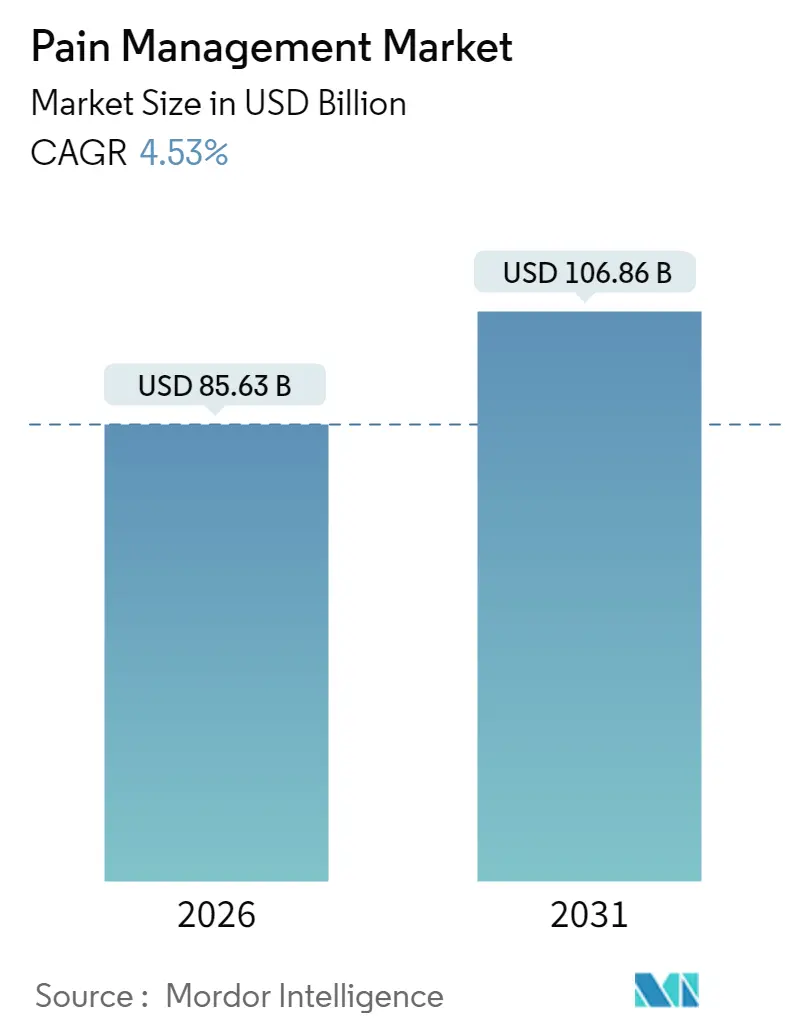
Public perception, not just clinical outcomes, increasingly influences access to care. This matters in a rapidly evolving market. By setting of care, hospitals accounted for 63.63% of the pain management market in 2024, while home care is projected to grow at an 11.87% CAGR through 2030, signaling expanding patient choice and comparison behavior. In this environment, reputation management extends beyond promotion. It functions as both risk mitigation and growth enablement, protecting trust while quietly supporting patient acquisition, search visibility, and long-term credibility.
Pain management operates at a uniquely sensitive intersection of:
Patients with chronic pain often carry fear, skepticism, and exhaustion into every interaction. Treatment plans are rarely linear. Relief may be partial, slow, or constrained by insurance policies, compliance requirements, or safety protocols.
The National Institutes of Health recognizes chronic pain as a complex condition affecting both physical and emotional well-being. This complexity directly shapes patient expectations, and when expectations collide with clinical reality, perception risk rises.
In other words, pain management practices are not evaluated solely by outcomes but also by how patients feel throughout the process.
Unlike many specialties, patients in pain management rarely rely solely on star ratings. They read deeply. Patients often evaluate:
Pain patients compare narratives, not just scores. One detailed review describing dismissive communication can outweigh dozens of neutral ratings. Research in patient-centered care consistently highlights the importance of the patient-provider relationship, emphasizing solution-oriented communication and expressions of trust, especially in pain-related conversations.
Online reviews, in this context, become proxies for emotional safety.
Negative reviews in pain management are not always signals of poor clinical quality. They often stem from:
A patient may be dissatisfied even when care is appropriate, ethical, and evidence-based. Understanding this distinction is critical. Reputation management for pain management is not about eliminating negative feedback; it is about contextualizing it.
Inconsistent or infrequent review collection amplifies the impact of negative feedback. When only dissatisfied patients speak up, perception becomes distorted.
A steady, ethical approach to review collection helps ensure that the whole patient experience is represented, across outcomes, personalities, and care journeys. Authenticity and consistency matter far more than volume spikes or aggressive solicitation.
Balanced review ecosystems do not hide criticism; they prevent it from becoming the dominant narrative.
Pain management practices benefit significantly from private feedback channels that surface concerns early.
When patients are given structured, respectful opportunities to share feedback:
Importantly, patient feedback in healthcare is not about suppressing reviews. It is about improving care delivery and patient experience before frustration turns into public dissatisfaction.
In pain management, tone often matters more than wording.
Effective responses to online reviews prioritize:
Trauma-aware communication acknowledges emotional distress without confirming clinical details. Tools like RepuGen’s Replywize support this process by helping practices maintain consistency, compliance, and empathy, especially in emotionally charged situations.
Many reputation challenges originate long before a review is written. Clear expectation-setting around:
…reduces future dissatisfaction when patients understand what pain management can and cannot do, thereby narrowing perceived gaps.
Expectation-setting is not just a clinical best practice; it is a long-term reputation strategy.
Reviews are only one trust signal. Pain management practices can reinforce credibility through:
These signals help patients form realistic, informed expectations before their first visit. Transparency builds trust more effectively than persuasion.
When approached strategically, reputation management delivers benefits beyond visibility:
Proactive strategies help practices stay compliant, stable, and resilient, without making outcome promises or financial guarantees.
RepuGen is not a quick fix. It functions as infrastructure. By supporting:
RepuGen is a healthcare reputation management software that helps practices like pain management to manage perception with integrity, aligning patient experience, compliance, and long-term trust.
In pain management, reputation is not about looking perfect. It is about being understood.

Banner Image Source: Google AI Studio
Recent Posts
0 Comment
Your email address will not be published. Required fields are marked *