
POSTED ON: Feb 23, 2026


Patient experience increasingly unfolds through communication. Before an appointment, patients notice whether messages arrive at the right time and reflect their situation. After a visit, they pay attention to how clearly the next steps are explained and whether the follow-up feels thoughtful. These interactions shape how care is perceived just as much as clinical outcomes.
In This Article
Healthcare organizations are responding by paying closer attention to communication quality. How messages are framed, timed, and contextualized now plays a defining role in patient communication in healthcare, and is a critical component of healthcare reputation management. Personalization has become a common focus for practices looking to strengthen trust, elevate patient satisfaction, and support lasting relationships.
This article examines how personalized communication impacts patient experience and how organizations maintain trust.
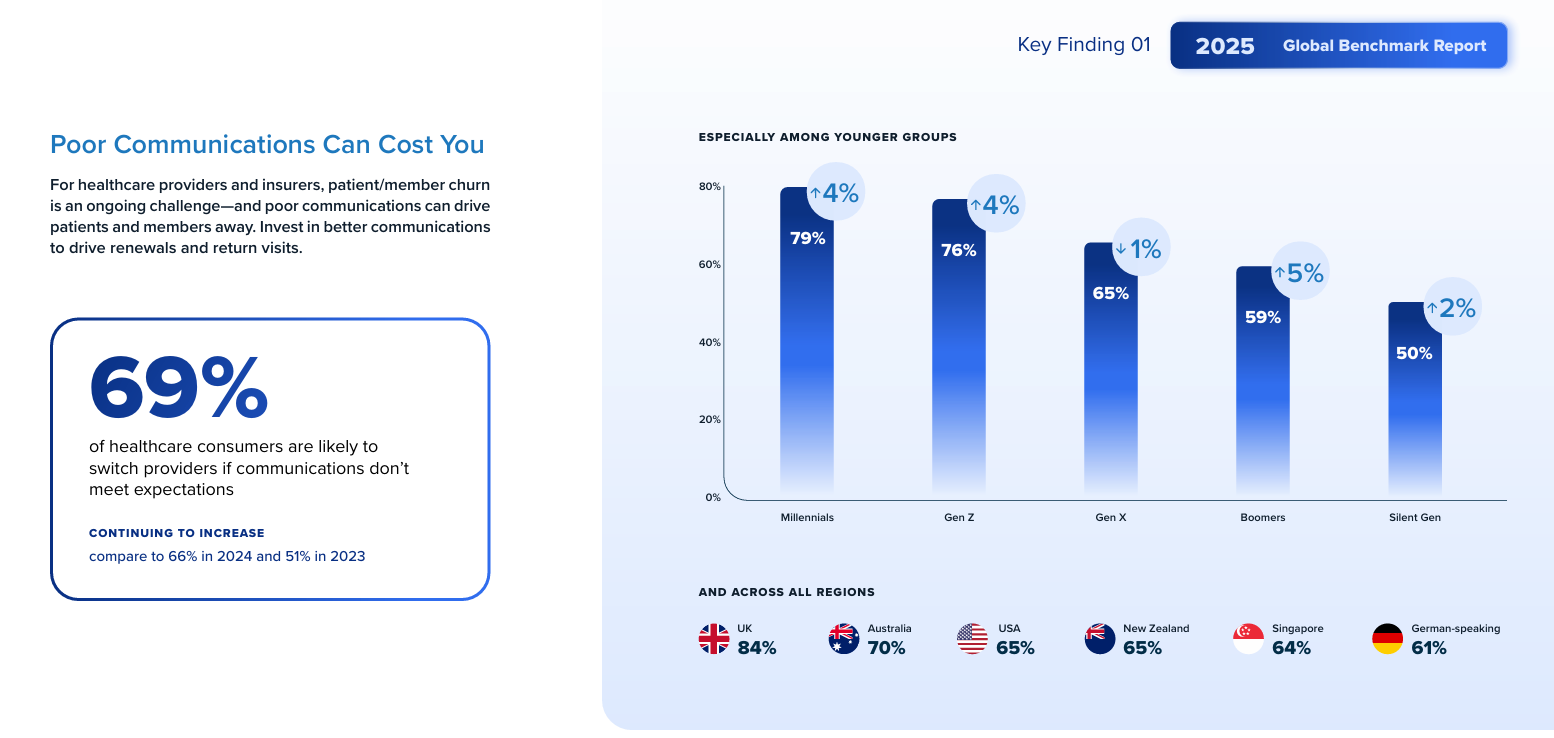
Personalized communication in healthcare reflects an understanding of where a patient is in their care journey and what information is most relevant at that moment. Patients increasingly expect this level of awareness. Research indicates that 69% of patients consider switching providers when communication fails to meet their expectations.
This approach aligns communication with the real patient context. Messages connect to recent interactions, reflect individual preferences, and arrive when patients are most likely to need them. The result is communication that feels purposeful rather than generic.
Across healthcare settings, personalization often shows up in routine interactions. Appointment messages reflect visit-specific details. Follow-up communication reinforces care guidance after patients have had time to process information. Educational outreach connects to ongoing care needs rather than broad audiences.
Research on patient-centered communication consistently shows that patients engage more readily when communication reflects their concerns and circumstances. When messaging aligns with patient context, communication in healthcare becomes easier to trust and easier to act on.
Patients report better healthcare experiences when communication matches their situation. This trend spans clinical settings and is supported by research.
Studies available through PubMed Central demonstrate a strong relationship between provider–patient communication quality and patient satisfaction in healthcare. Patients report higher satisfaction when communication feels clear, responsive, and aligned with their needs. Both verbal and nonverbal communication influence how patients interpret attentiveness and competence.
Personalized communication supports these perceptions by making interactions easier to understand and follow. Messages grounded in the patient's context reduce confusion about next steps and reinforce continuity of care. Patients are more likely to feel acknowledged when communication reflects awareness of their situation.
A well-timed follow-up message reinforces understanding and reassurance. Reminders via preferred channels feel considerate, not disruptive. These moments strengthen communication by adding clarity and confidence.
Personalization carries the greatest weight at moments when patients are forming impressions or making decisions. These moments often sit at the edges of clinical care rather than at its center.
Before a visit, communication sets expectations and prepares patients. When instructions match the appointment’s purpose, patients arrive clearer and more certain. This preparation supports smoother interactions once care begins.
After a visit, communication sustains the care experience. Patients often revisit information once outside the clinical setting. When teams send follow-up messages that reflect the visit context, they reinforce guidance and reduce uncertainty.
Ongoing communication shapes long-term engagement. Providers send educational messages that align with a patient’s condition or stage of care, making these messages relevant and timely rather than generic.
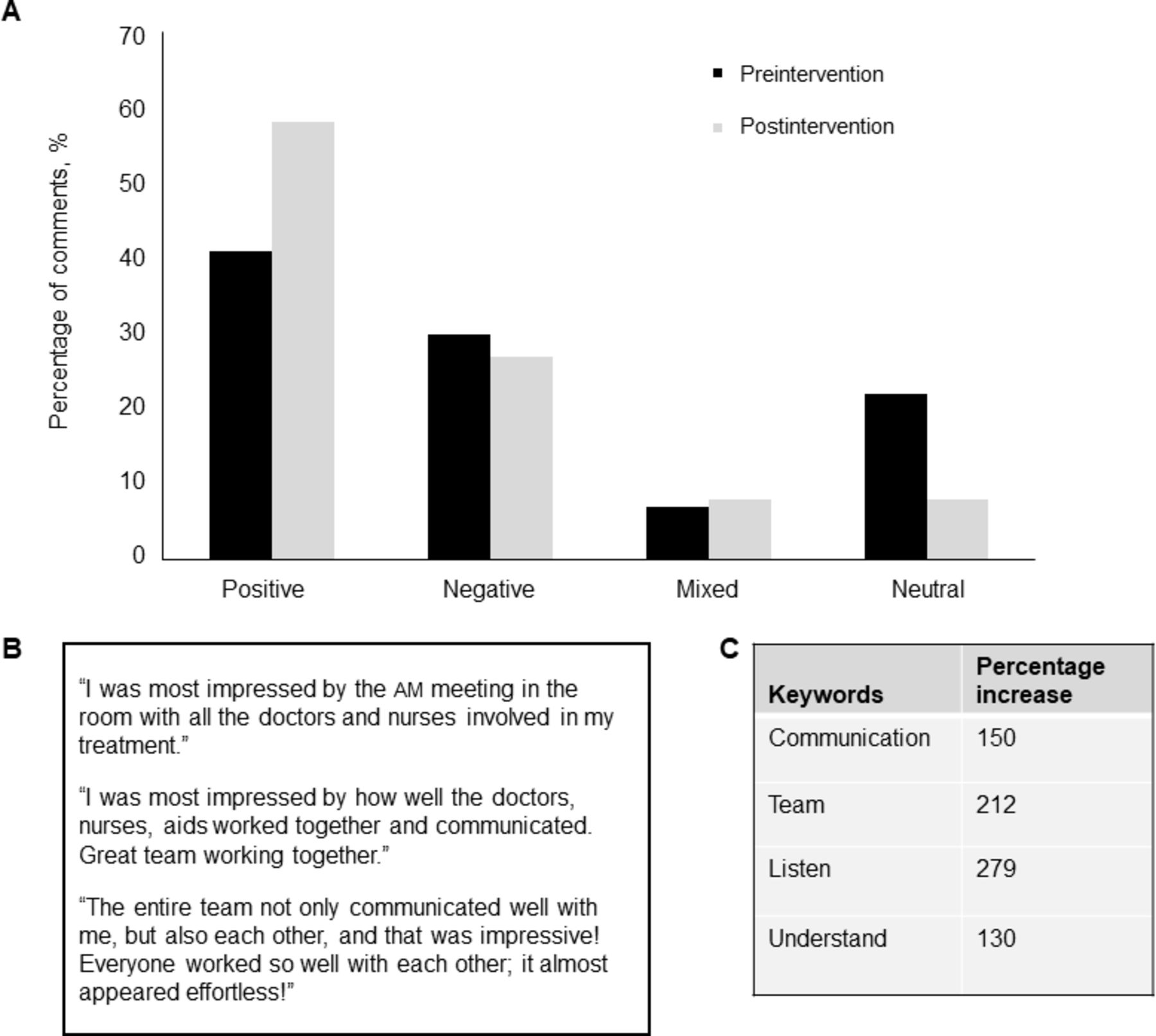
Evidence published in BMJ Open Quality shows that structuring communication to support engagement increases patient participation and satisfaction. These findings highlight how small contextual shifts can meaningfully shape patients' perceptions of communication.
Personalized communication relies on patient trust. Healthcare organizations uphold clear expectations around privacy, consent, and responsible data use. Patients closely monitor how organizations handle their information.
Research summarized through ResearchGate indicates that patients value communication that reflects their needs while expecting discretion and relevance. Trust grows when communication respects boundaries and aligns with patient expectations.
Effective personalization begins with securing consent and providing transparency. Patients know how communication will occur and why they receive messages. Content focuses on usefulness and avoids excess. Frequency fits patient comfort.
HIPAA-compliant patient communication enables secure outreach across channels such as text messaging, where timeliness and discretion both matter. When patients receive relevant information in a protected environment, personalization reinforces trust and supports stronger relationships rather than raising privacy concerns.
Healthcare teams use technology to consistently personalize care without increasing operational strain. Digital platforms let teams communicate in ways that adapt to patient context while ensuring compliance.
Modern systems support HIPAA-compliant channels and allow communication to align with visit type, timing, and patient preferences. Automated workflows help ensure follow-ups occur at the right times, supporting continuity across the care journey.
Technology also maintains alignment across communication touchpoints. Patients receive consistent messaging across channels, reinforcing clarity and confidence. These capabilities support effective communication in healthcare while allowing teams to focus on care delivery.
RepuGen supports healthcare organizations by enabling responsible personalization at scale. By integrating compliance, timing, and consistency, these tools help teams deliver relevant communication without compromising trust.
Patient experience goes beyond clinical care; personalized communication is essential in shaping perceptions of attentiveness, reliability, and quality.
Research consistently connects patient-centered communication with higher patient satisfaction in healthcare and stronger trust over time. When communication reflects patient context, it reinforces confidence and engagement.
Personalized communication offers healthcare leaders a strategic way to strengthen long-term patient relationships. By aligning communication with patient needs and expectations, organizations support better experiences while maintaining professionalism, privacy, and trust.

Banner Image Source: ChatGPT
Recent Posts
0 Comment
Your email address will not be published. Required fields are marked *