
POSTED ON: Mar 09, 2026


Patient churn in healthcare happens when patients stop coming, delay follow-ups or switch providers without much notice. Unlike missed appointments or formal complaints, churn often slips under the radar. Clinics might not realize it until revenue dips, referrals drop or long-term health outcomes start to suffer.
In This Article
Many healthcare organizations pour resources into acquiring new patients, marketing, outreach and advertising while overlooking retention. Sustainable growth doesn’t just come from attracting patients; it comes from maintaining trust with the ones you already have. Improving patient satisfaction isn’t only about creating a positive visit; it’s about building confidence, continuity and long-term relationships that keep patients engaged over months and years.
Churn shows up differently depending on the care setting. In primary care, it might be patients switching after a few visits. Specialty care sees missed follow-ups or incomplete treatment plans. Urgent care often deals with one-off visits and no lasting relationships.
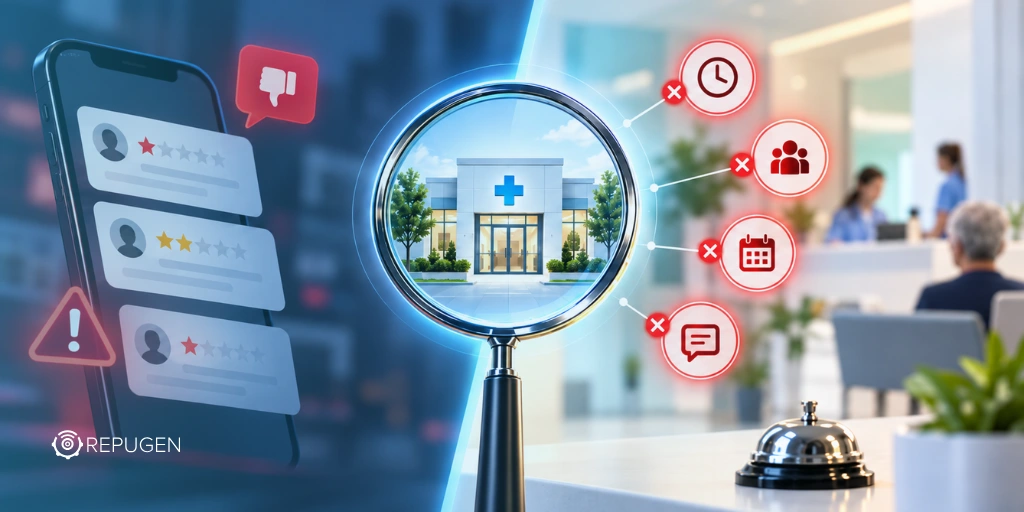
Why do patients disengage? Often it’s a slow buildup: unclear communication, long wait times, billing confusion or feeling rushed and unheard during appointments. Retention is widely known to be more cost-effective than acquisition.
Harvard Business Review notes that even a 5% increase in retention can significantly boost profitability. Early adopters in healthcare are already realizing these benefits, with stronger, long-term patient relationships translating into improved revenue stability and care quality.
Patient satisfaction directly impacts whether someone comes back, follows treatment plans and recommends a provider. Clinical outcomes matter, of course, but how patients feel emotionally during interactions plays an equally crucial role in loyalty.
Patients who feel respected, informed and supported are more likely to stick with a provider. Dissatisfied patients often leave silently. Many never file complaints; they start seeing someone else.
CAHPS surveys conducted by the Agency for Healthcare Research and Quality (AHRQ) show a strong correlation between experience scores and loyalty, recommendations and continuity of care. Top practices prioritize patient satisfaction, turning strong experiences into a meaningful retention advantage.
As discussed earlier, churn often reveals itself through early warning signs such as missed appointments, delayed follow-ups or slow responses to reminders. However, another indicator that is frequently overlooked is emerging patterns in patient feedback and online reviews, which can signal dissatisfaction before patients disengage entirely.
Numbers alone rarely tell the whole story. Qualitative feedback, comments, complaints and recurring themes reveal more about sentiment. Research, including the PubMed article “Patient Experience: The New Heart of Healthcare,” highlights how experience metrics can serve as early indicators, allowing organizations to intervene before patients drift away.
Access and communication are central to the patient experience. By simplifying scheduling, clarifying follow-up steps and helping provide clear instructions, patients feel supported throughout their care journey.
Setting realistic expectations around wait times reduces frustration. Timely, consistent communication, whether confirmations, test results or follow-ups, reinforces professionalism. How patients perceive quality often comes down to these small, reliable gestures.
Collecting feedback is pointless unless it leads to action. Patients notice when concerns result in tangible improvements, and they notice even more when they don’t. That transparency, paired with action, is what builds trust.
A PubMed study, “Using patient feedback to drive quality improvement in hospitals,” shows that structured feedback reviews improve processes and deepen trust, especially when leadership is involved. Communicating changes back to patients encourages continued engagement and signals that their voice matters.
Retention doesn’t end when a visit concludes. Follow-ups, reminders, care instructions and occasional check-ins strengthen continuity. Clear next steps reduce uncertainty and help patients feel guided rather than abandoned.
Thoughtful personalization builds confidence without feeling intrusive. Coordinated care across teams ensures patients experience consistency, reinforcing loyalty and gradually reducing attrition.
Reducing churn requires alignment across the organization. Front-desk staff, clinicians and leadership all shape patient experience. Training teams to recognize early signs of dissatisfaction helps address issues before they escalate.
Retention isn’t just a metric; it’s a shared responsibility. Deloitte’s analysis, “The Value of Patient Experience,” highlights that organizations with experience-led cultures consistently outperform peers in loyalty and outcomes, showing how cultural commitment drives results.
Star ratings only scratch the surface of loyalty. Better indicators include retention rates, return visits and engagement trends. Breaking down data by service line or patient type highlights where improvements are most needed.
Using these insights to guide operational changes ensures efforts to improve satisfaction remain targeted and effective.
Patient retention grows from consistency, trust and responsiveness. Reducing churn isn’t a one-off initiative; it’s a long-term strategy rooted in improving satisfaction and experience.
Sustainable growth starts with patients who feel valued, heard and confident in their care. Practices that consistently invest in improving and maintaining patient satisfaction strengthen patient relationships, encourage patients to stay and build the foundation for long-term success.
Disclaimer: This article was originally published on Forbes Communications Council. You can read the original version here: [Reducing Patient Churn: Strategies For Improving Patient Satisfaction And Retention]

Recent Posts
0 Comment
Your email address will not be published. Required fields are marked *